
Our Greening Gippsland’s Dams project continues to help farmers enhance their dams to increase the water quality for livestock and reduce evaporation. The program—now in its third year—focuses on education and capacity building for landholders. The project builds skills, shares on-ground examples, and strengthens farmer confidence in restoring dams for both stock health and ecological benefits. It includes site assessments and tailored enhancement plans, while workshops and farm walks give participants practical knowledge on improving water quality, biodiversity, and frog habitat.
Name of Project: Greening Gippsland’s Dams
Funded by: Australian Government through funding from the Future Drought Fund, the Victorian Drought Resilience Adoption & Innovation Hub (Vic Hub) and Food & Fibre Gippsland as the South-East Node of the Vic Hub.
Partners: Deakin University (a partner in the Vic Hub)
Timeframe: 2023–2026
Project Manager: Cassie Wright & Kirby Leary
Project Summary
Year 2 / 2024-2025
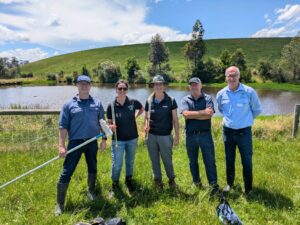
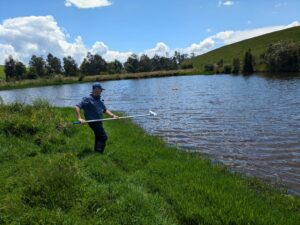
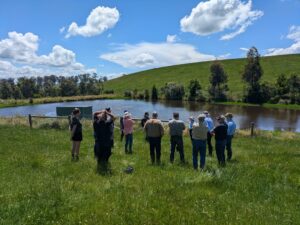
After the success of year 1, we received a second round of funding to continue our Greening Gippsland’s Dams project. To build on the knowledge and experiences from our first year, a new case study site was selected. A site visit was conducted with Wetland Ecologist David Carew. David offered advice and options that would enhance and protect the dam as well as fit into the future planning of the farm.
Year 1 / 2023-2024
In year one of this project, SGLN compared costs and benefits across three different dam management strategies on a farm at Cape Liptrap. The tiered dam management strategies compared:
1. Fully fenced and revegetated dam (with troughs reticulated off it),
2. Restricted access dam that is currently being revegetated (with a concrete ramp for cattle access),
3. Unfenced dam.
Or read the case study we’ve developed below
Greening Gippsland’s Dams case study finalDownload
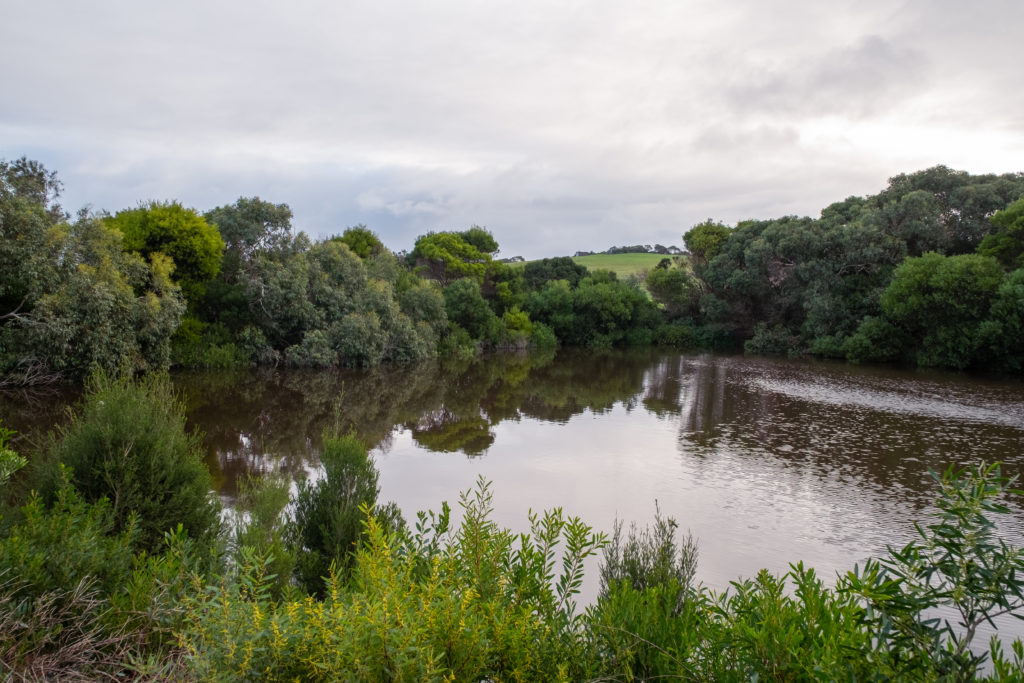
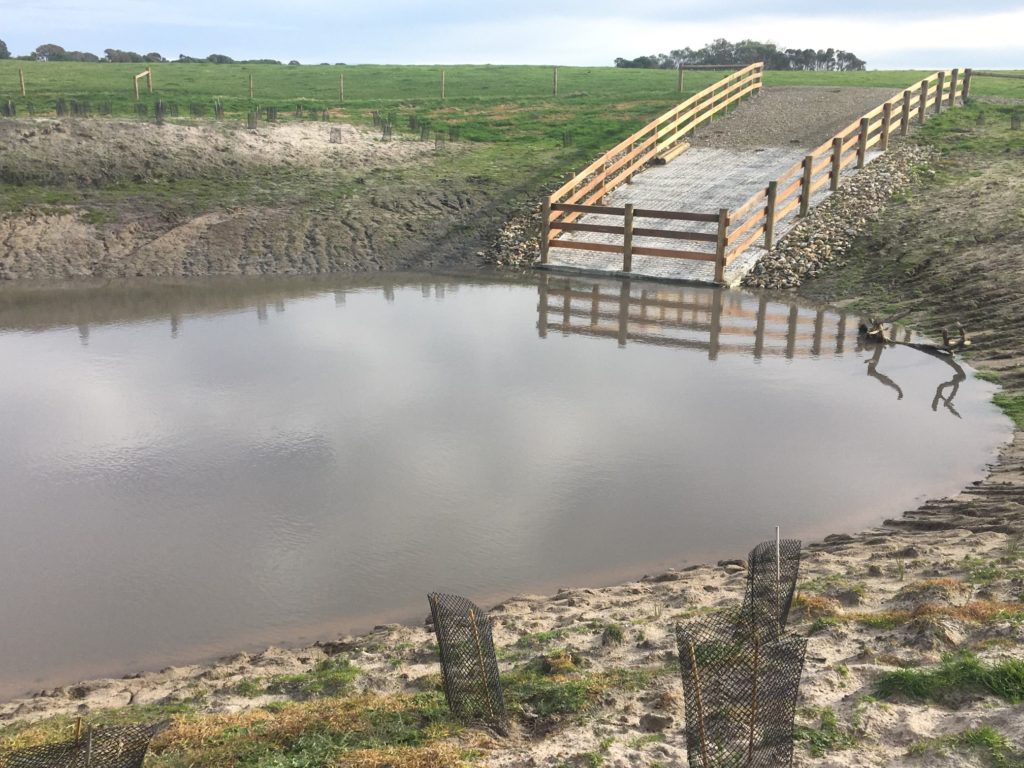
Two field days were held, the second in April 2024. We heard an update from the landholder Jillian Staton, who said said that excluding or restricting stock from dams had delivered significant benefits to the farm business she runs with her husband, Bruce. Top of the list was removing the risk of dam failure caused by erosion, followed by better grazing and stock management. Added bonuses were the increase in birds, frogs and other wildlife, and the fact that researchers considered each of the managed dams suitable to release endangered native fish for conservation. View her presentation below.
Jillian-presentation-Farm-dam-presentation-12-MONTHS-LATERDownload
Deakin University Senior Lecturer Ty Matthews and students Balin Branch-Spence and Jasper Davis revealed that the managed dams had higher water quality than the dam that was completely open to stock. Their research also showed far greater diversity of macroinvertebrate, bird and frog activity in the managed dams compared with the completely open dam.
Matt Bowler from the West Gippsland Catchment Management Authority shared the inspiring story of a wetland he has restored, and Ecologist David Carew discussed plants that are suitable for growing around dams and wetlands, see more detail including species lists in his presentation below.
Plants-in-farm-dams_David-CarewDownload
At our first field day in May 2023 we heard from Dr Bill Malcolm (University of Melbourne) on costs and benefits, Dr Ty Matthews (Deakin University) on the benefits of dams to biodiversity (especially macro invertebrates and fish), and local vet Dr Phil Poulton on the impact of dam water quality on stock health. See the presentations given on the day below.
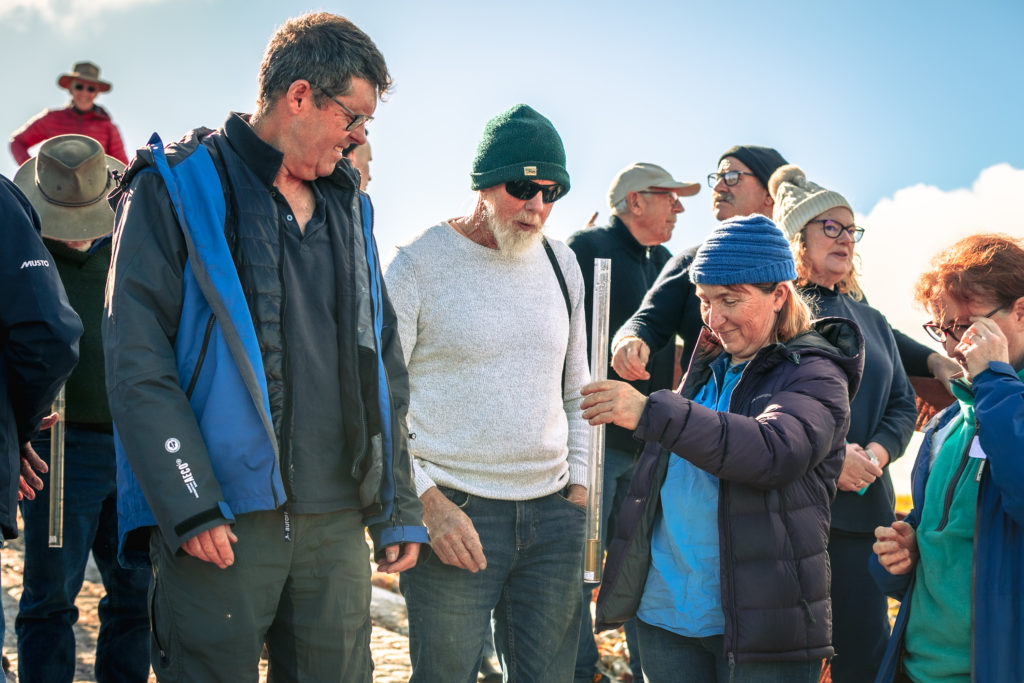
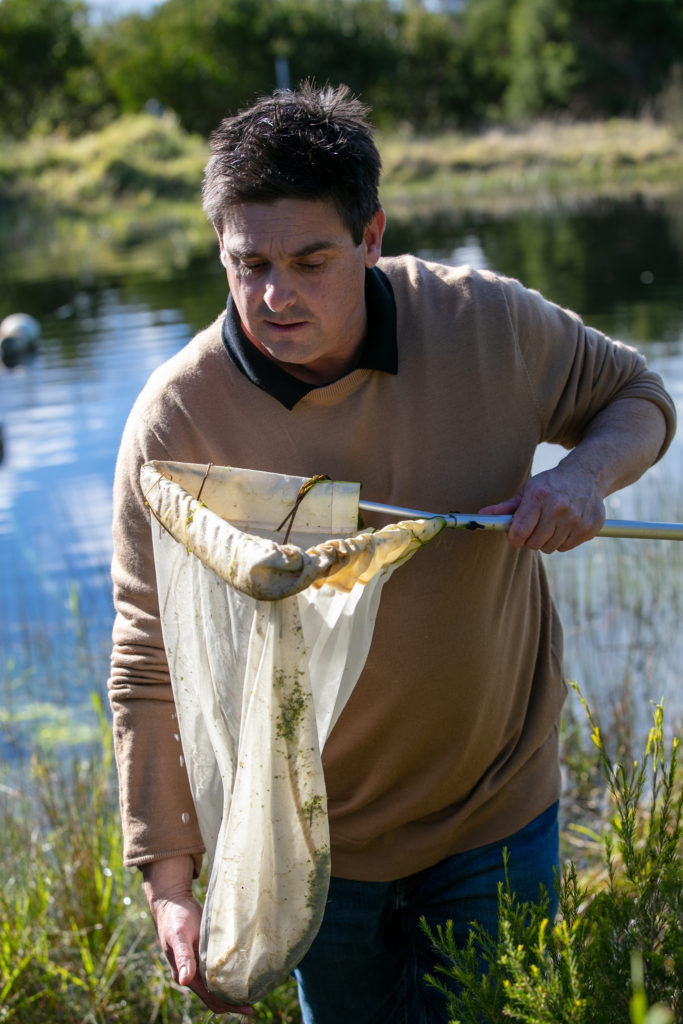
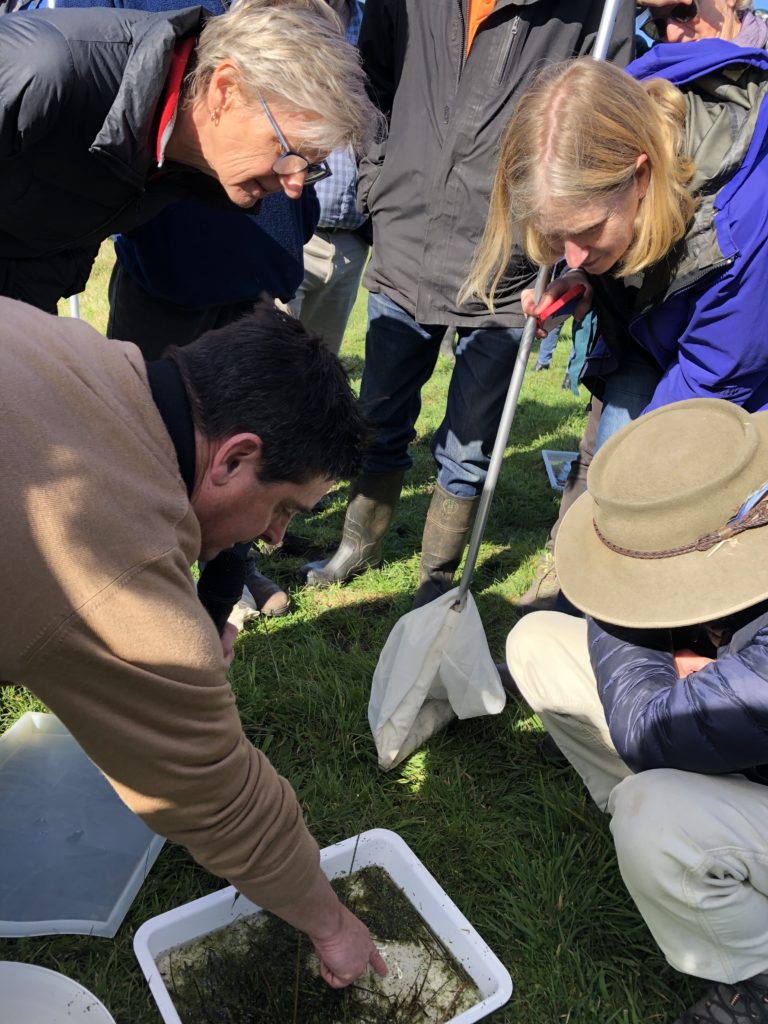
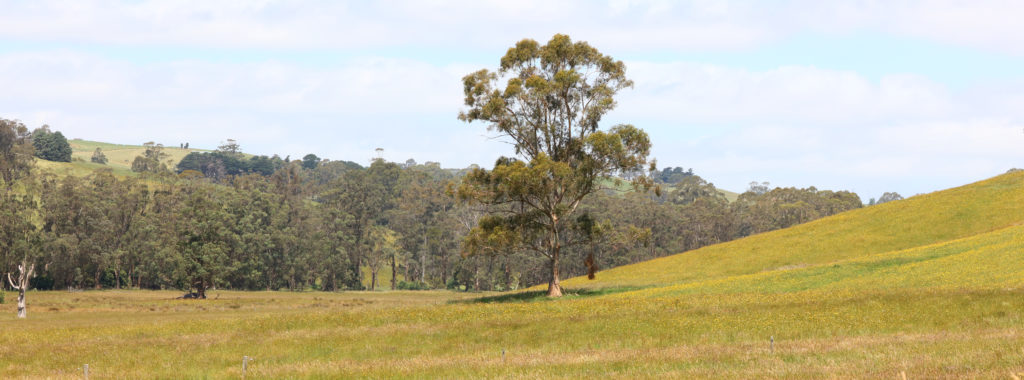
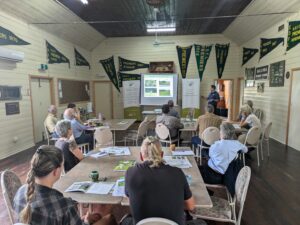
Left and central photos in row above and page header photo courtesy of Food & Fibre Gippsland.
Jillians Farm dam presentationDownload
Damn farm dams – the investment decision!Download
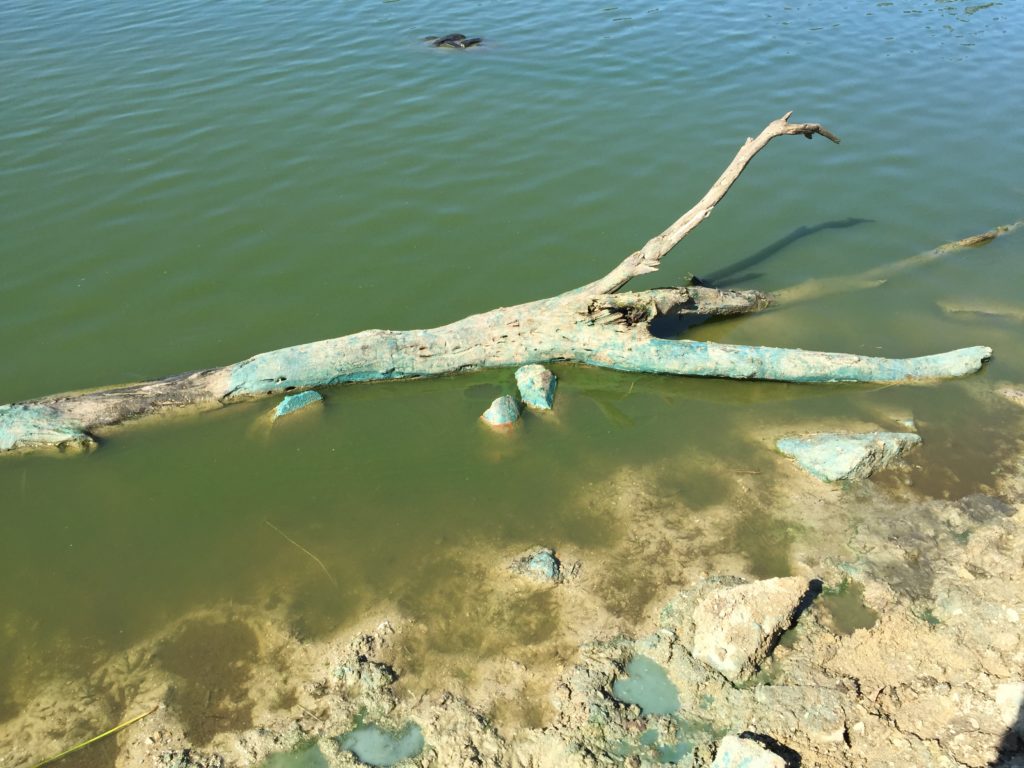
Dr Phil Poulton said that providing stock with clean water from fenced off dams virtually eliminates the risk of stock and production losses caused by diseases like Salmonella and Leptospirosis and toxic blue-green algae. It also prevents animals dying or getting injured from drowning or being stuck in mud.
If you are planning your own dam enhancement project there are some great external resources available on the Sustainable Farms website, click here to view them
South Gippsland Landcare Network (SGLN) is leading the Green Dams Project, with sponsorship from Food & Fibre Gippsland under the Victoria Drought Resilience Adoption and Innovation Hub. Deakin University is a partner in the Vic Hub. This project also received funding from the Australian Government’s Future Drought Fund.
For more information contact Cassie Wright, cassie@sgln.net.au, 0448 739 559.