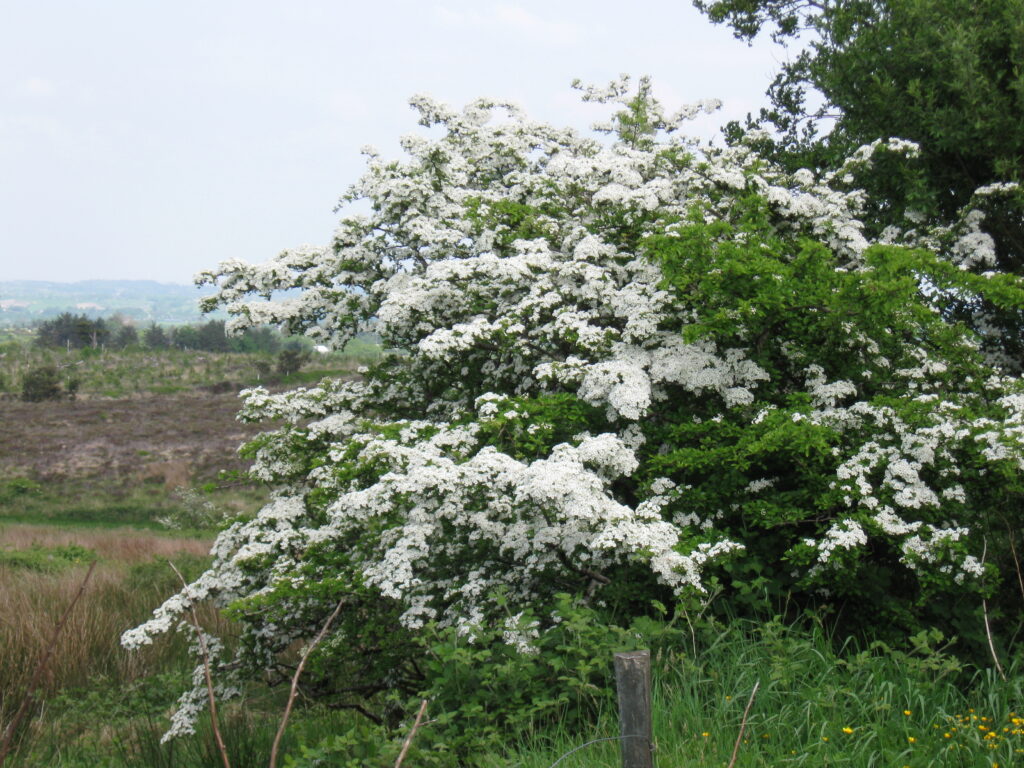
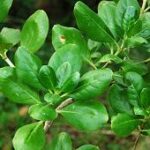
Crateagus monogyna is an erect deciduous small shrub to tree with thorny branches and small serrated bright green leaves. Once widely used for hedges. White or pink flowers in spring followed by red berries in autumn. Reproduces by seed which is dispersed by birds, foxes, possums, stock and water. Invasive along creeks, rivers and roadsides.
Manual control
Young plants can be removed by hand, taking care not to snap off any major roots which will re-shoot.
From SGLN’s 2017 weed guide.
Herbicides must be applied at the appropriate rate as specified on the label and all safety precautions followed. If chemical control is necessary near drainage lines or streams, use extreme caution as the effects on aquatic life can be devastating even in minute amounts. Always seek expert advice.
Chemical control notes from SGLN’s 2017 weed guide
Plains with stems less than 10 cm are easily removed by the cut & paint method. Large old plants are best controlled using drill (or frill) & fill method, undertaken during the spring-summer growing season. Drill holes 25–35 mm deep, 5 cm apart in trunk close to the ground and fill holes with herbicide. Always check the herbicide label before use.
These notes are from 2017, and some information, particularly herbicide information, may be out of date. Please ask local suppliers and do your own research in selecting herbicides if choosing chemical control.
Family, origin, type, plant instead, control methods and the note above are from SGLN’s pocket guide Common weeds of South Gippsland (2026).