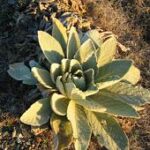
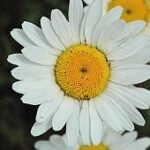
All parts of Hemlock are poisonous to humans and livestock and will cause death by respiratory paralysis if eaten.
Photos from SGLN’s 2017 weed guide
About Hemlock
Conium maculatum is an erect annual or biannual herb with ferny leaves. This is a very poisonous plant to both humans and animals. Strong mousey odour when crushed. Looks similar to carrot plant. Flowers in summer white dense umbrella like. Dies back late summer. Widespread in damp shady places near waterways.
Manual control
Hemlock can be grubbed out, all root material will need to be removed.
From SGLN’s 2017 weed guide.
Herbicides must be applied at the appropriate rate as specified on the label and all safety precautions followed. If chemical control is necessary near drainage lines or streams, use extreme caution as the effects on aquatic life can be devastating even in minute amounts. Always seek expert advice.
Chemical control notes from SGLN’s 2017 weed guide
Spring onwards when growing well. Be careful after spraying this is a highly poisonous plant, some livestock could eat after spraying. Chemical; Kamba M. Always check the herbicide label before use.
These notes are from 2017, and some information, particularly herbicide information, may be out of date. Please ask local suppliers and do your own research in selecting herbicides if choosing chemical control.
Family, origin, type, plant instead, control methods and the note above are from SGLN’s pocket guide Common weeds of South Gippsland (2026).