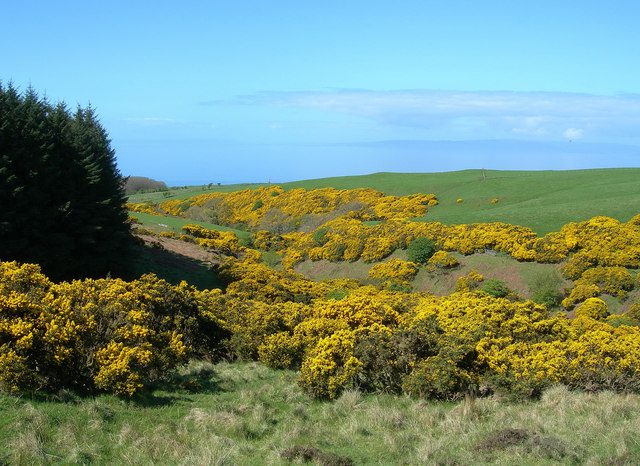
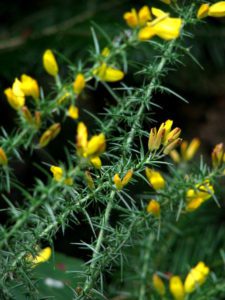
Gorse or Furze (Ulex europaeus) is a dense spiny shrub to 2-4m which forms impenetrable thickets excluding all other vegetation and providing a harbour for rabbits.
Seeds are viable for up to 30 years, are ejected forcibly from pods and is spread by machinery, birds, animals and vehicles. Fragrant, bright yellow pea flowers occur in clusters from September to January followed by long, dark, hairy pods containing 2-6 seeds. Seed viability is 2-5 years. Seeds are ejected forcibly from pods and is spread by machinery, birds, animals, vehicles and in soil. Gorse invades disturbed agricultural land, degraded landscapes, coastal areas and roadsides. Also woodlands, grasslands, riparian areas and forests.
Manual control
Small seedlings can be hand pulled. Mechanical clearing is a useful method of controlling large infestations of gorse. Bulldozers with rippers, or medium to heavy tractors with rippers and dozer blades, can be used. Cutting off established bushes near the soil surface with dozer blades is another option. This method reduces soil disturbance so stimulates fewer seeds into germination. With either method, follow-up management is essential for lasting control, including establishing a vigorous pasture to provide competition, grazing of gorse seedlings and using herbicide on plants that survive grazing. Seed remains viable for many years and well established infestations will have a large seed bank in the soil. The seed bank can be depleted by burning, which will stimulate a large percentage to germinate, followed up by rigorous control of seedlings. Plants will continue to germinate several years after fire.
From SGLN’s 2017 weed guide.