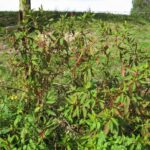
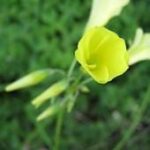
Poisonous to stock if eaten. Senecio species can be difficult to identify - If in doubt - find out.
Photos from SGLN’s 2017 weed guide
About Ragwort
Senecio jacobaea is native to Europe. Ragwort is an erect perennial herb, with an unpleasant odour when damaged. It initially forms a rosette of leaves at the base and later produces erect stems that are much branched towards the top of the plant with yellow daisy like ray florets. Poisonous to livestock and possibly humans. All parts of ragwort are poisonous including pollen, use gloves when handling. If pulling ragwort put into black garbage bag and leave in sun to break down. Each plant can produce up to 200,000 seeds. Seeds are spread by wind, water, vehicles, animals and clothing. Viability 8+ years. Ragwort invades pastures in high rainfall areas, particularly on steep and neglected sites where control may be difficult. A priority weed throughout Gippsland.
Manual control
Ragwort can be pulled out by hand but will leave behind root fragments which will regrow.
From SGLN’s 2017 weed guide.
Herbicides must be applied at the appropriate rate as specified on the label and all safety precautions followed. If chemical control is necessary near drainage lines or streams, use extreme caution as the effects on aquatic life can be devastating even in minute amounts. Always seek expert advice.
Chemical control notes from SGLN’s 2017 weed guide
Ragwort can be sprayed all year round but normally spring to summer when it is growing at its best. You can spray up to flowering stage. Once flowers have started to set seed it would be best to remove heads put in black plastic bag and spray the rest. Brush Off is the most widely used. Other chemicals are Kamba M. Grazon (ACUP required). Read label for rates, safe usage and critical notes.
These notes are from 2017, and some information, particularly herbicide information, may be out of date. Please ask local suppliers and do your own research in selecting herbicides if choosing chemical control.
Family, origin, type, plant instead, control methods and the note above are from SGLN’s pocket guide Common weeds of South Gippsland (2026).