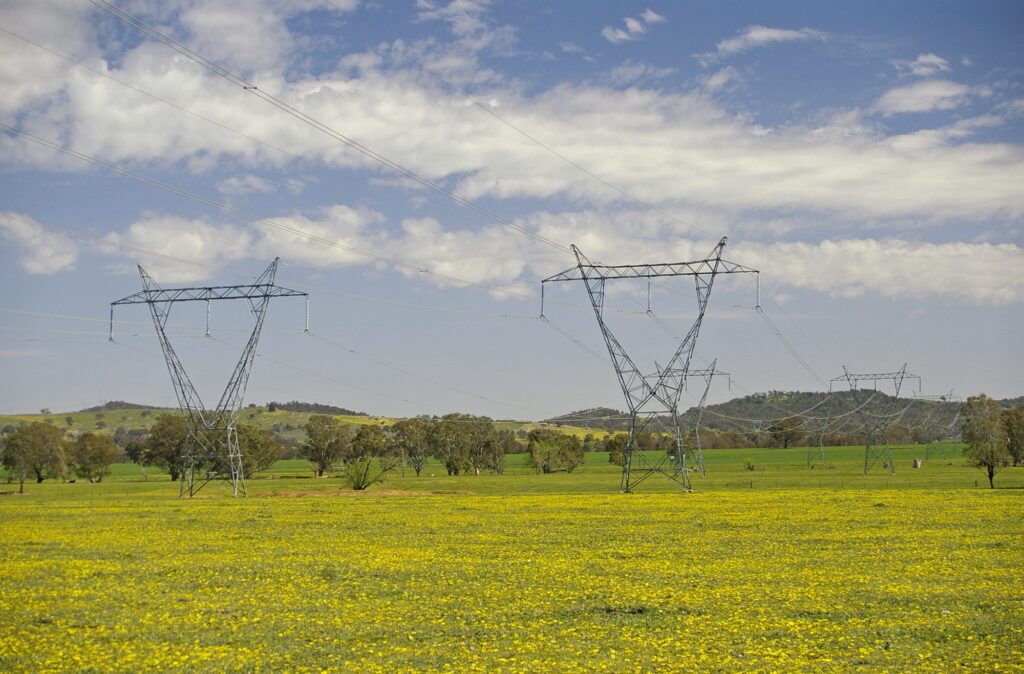
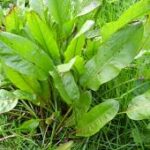
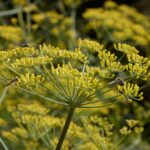
A widespread weed of lawns, cultivated areas, pasture and other disturbed sites, often on poorer soils. Takes advantage of bare earth.
Photos from SGLN’s 2017 weed guide
About Capeweed
Arctotheca calendula is originally from Africa. It is a widespread annual herb with divided, spreading leaves and yellow daisy like flowers spring to summer. It is spread by animals, wind and machinery. It invades bare areas in paddocks and waste places.
Manual control
Can be grubbed out all root material should be removed. Establishing and maintaining a dense highly productive persistent perennial pasture is the key to keeping capeweed in check.
From SGLN’s 2017 weed guide.
Herbicides must be applied at the appropriate rate as specified on the label and all safety precautions followed. If chemical control is necessary near drainage lines or streams, use extreme caution as the effects on aquatic life can be devastating even in minute amounts. Always seek expert advice.
Chemical control notes from SGLN’s 2017 weed guide
Best time is early seedling stage late winter to early spring. See Agricultural Note for more detailed information. Chemical used is Amicide 625 spray graze technique (refer PDF file). For spot spraying Round Up can be used (non selective). For selective spot and boom spraying Kamba M or Lontrel. Always check the herbicide label before use.
These notes are from 2017, and some information, particularly herbicide information, may be out of date. Please ask local suppliers and do your own research in selecting herbicides if choosing chemical control.
Family, origin, type, plant instead, control methods and the note above are from SGLN’s pocket guide Common weeds of South Gippsland (2026).