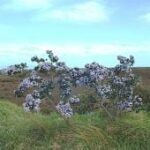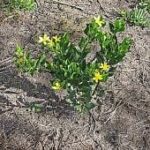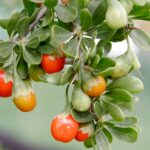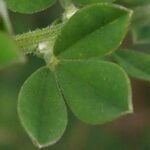


Rubus fructicosus L. agg. is a perennial, semi-deciduous shrub with prickly stems (canes) that take root where they touch the ground, often forming thickets up to several metres high. The stems, which grow several metres long, may be green, purplish or red, and are generally thorny and moderately hairy. Young canes emerge from buds on the woody root crown each spring and grow very rapidly (50–80 mm a day). Leaves are usually dark green on top with a lighter green underside. The leaf veins and stalks are covered with short prickles. Clusters of flowers are white or pink. The berries change colour from green to red to black as they ripen. The plant is semi-deciduous and may shed its leaves in winter.
The control of Blackberry is a long-term process and cannot be achieved with a once off effort. As such, the fist step in controlling blackberry involves establishing a basic management plan that aims to identify the infestation and set realistic short and long term goals that can be monitored. There is a range of management options available for controlling blackberry, including physical methods, biological control and herbicides. Herbicides are the most reliable method for achieving local control. Typically treat with herbicide when the blackberry is actively growing between November to April (ideally prior to fruiting). Techniques for herbicide application include foliar, cut stump, granules or gel, and aerial applications.
Manual control
Hand weeding: This is effective only under very limited circumstances. Even seedlings and small plants are difficult to pull out by hand. If possible, all of the root system should be removed using a mattock or shovel because blackberry will regrow from any root fragments left in the soil.
From SGLN’s 2017 weed guide.