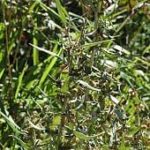
Datura spp. An erect, vigorous annual with large leaves and much branched stems. Trumpet shaped white – pink flowers spring – summer. All parts of the plant, but particularly the seeds are toxic. Fruits/Seeds: Each species has a four compartmented seed capsule covered in dense spines. Dispersal: From seed in fodder and contaminated grain. Invades: Pastures, roadsides and wastelands
Manual control
Cultivation (turning over the soil to expose the root system and damage the plant) can be an effective method of control.. On a small scale hand pushed tilling tools can be used, however on a larger scale there may need to be mechanically operated equipment to achieve an economic result.
From SGLN’s 2017 weed guide.
Herbicides must be applied at the appropriate rate as specified on the label and all safety precautions followed. If chemical control is necessary near drainage lines or streams, use extreme caution as the effects on aquatic life can be devastating even in minute amounts. Always seek expert advice.
Chemical control notes from SGLN’s 2017 weed guide
Cut and paint with Glysophate or foliar spray with Glysophate (e.g Round Up). Always check the herbicide label before use.
These notes are from 2017, and some information, particularly herbicide information, may be out of date. Please ask local suppliers and do your own research in selecting herbicides if choosing chemical control.
Family, origin, type, plant instead, control methods and the note above are from SGLN’s pocket guide Common weeds of South Gippsland (2026).